Small Bathroom Ideas: Smart Design & Storage
Explore small bathroom ideas to maximize space with stylish, functional design and smart storage.
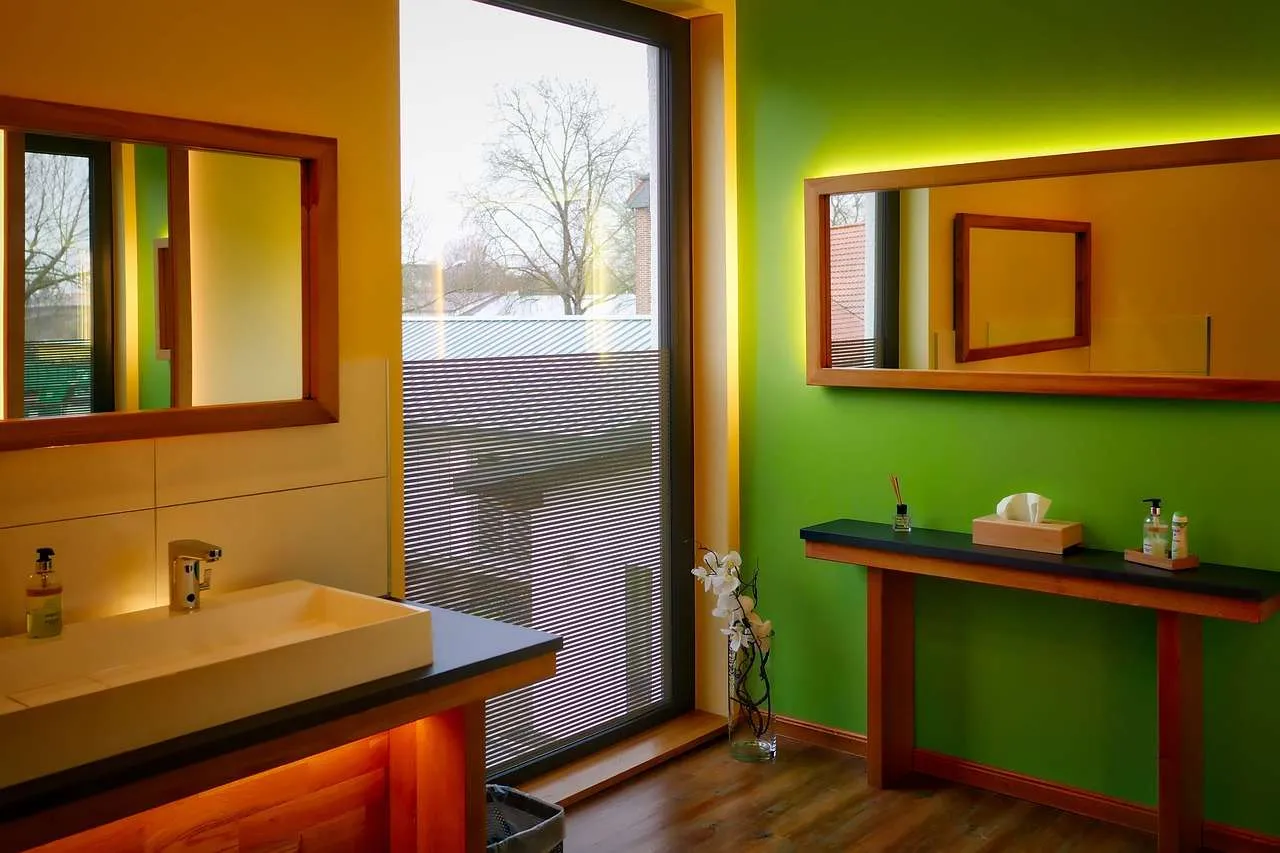
Small bathroom ideas emphasize turning tight spaces into comfortable, usable rooms through clever layouts, storage innovation, and light reflecting finishes. As a seasoned design professional, I share practical, research-backed strategies that blend aesthetics with daily usability to deliver real EEAT value for readers seeking smarter bathrooms.
The core challenge in small bathrooms is balance: you want room to move, enough storage for essentials, and a look that feels calm rather than cramped. The good news is that even the tiniest bathrooms can look larger and function better with intentional choices in fixtures, color, and light. Below you will find actionable ideas organized by layout, storage, materials, and lighting, plus a side-by-side layout comparison to help you decide what fits your space.
Smart layout ideas for small bathroom ideas
Layout is the backbone of a functional small bathroom. Prioritize sightlines, avoid obstacles, and maximize floor space. Start by choosing fixtures that reduce clutter and create open pathways. A wall mounted toilet and a floating vanity create air underfoot, which visually expands the room. If the room allows, a walk-in shower with a frameless glass panel preserves openness and makes the space look larger than its actual dimensions.
1. Wall-mounted and compact fixtures
Install a wall-mounted or compact toilet to free up floor space. Pair it with a pedestal or wall-mounted sink, which can be narrower than a traditional vanity. For even more room, consider a vanity with a shallow depth and drawer storage rather than doors, so every inch is accessible without bumping into hardware.
2. Sliding or pocket doors
Standard hinged doors consume clearance that small baths cannot spare. A sliding or pocket door preserves precious floor area and keeps circulation clear. If you cannot replace the door, use a door that opens outward or a bi-fold option to minimize interference with fixtures.
3. Clear sightlines and glass
Use a frameless glass shower enclosure or a large mirror to extend the field of view. Transparent materials reflect light and reduce the perception of walls closing in. Position mirrors opposite windows or light sources to bounce daylight around the room.
Storage strategies that actually work
Storage is where small bathrooms typically overpromise and underdeliver. The fix lies in vertical planning, recessed niches, and multi-functional furnishings. Think integrated solutions that hide clutter and keep everyday items within reach.
Built-in niches and tall storage
recessed niches in the shower or above the toilet provide places for shampoos and towels without adding bulky cabinetry. Tall, slender cabinets or wall-hung cupboards maximize vertical space and keep the floor uncluttered. Choose doors with soft-close hardware to reduce noise and wear.
Vanity with drawers and clever organizers
Vanities with deep drawers organize cosmetics, toiletries, and cleaning supplies. Inside, add adjustable dividers or modular organizers to maintain order. A vanity with a built-in waste bin can further reduce countertop clutter.
Materials, color, and lighting choices
In a small bathroom, the finish choices create perception as much as they function. Light colors reflect more light, while glossy or semi-gloss surfaces bounce light between walls. Materials should be moisture resistant and easy to clean, like porcelain tile, quartz countertops, and ceramic fixtures. Consider a cohesive palette that continues from wall to vanity to shower floor to unify the space.
Lighting is a pivotal element. Combine ambient, task, and accent lighting so the room feels bright without harsh shadows. Recessed LEDs, a slim linear vanity light, and a reflective mirror help widen the space visually. If natural light is limited, place the mirror across from or adjacent to the window to maximize daylight and reduce the need for artificial lighting during the day.
Color palette and texture ideas
Soft neutrals like warm whites, pale grays, and airy creams create airiness. Introduce texture through large-format tiles, a subtle herringbone or basket weave, and wood-tone accents in a towel rack or shelving. Keep patterns minimal to avoid visual clutter; a single accent tile in the shower can provide depth without overwhelming the eye.
Compare layouts for small bathroom ideas
| Layout option | Pros | Cons | Best for |
|---|---|---|---|
| Walk-in shower with glass panel | Feels open, easy to clean, maximizes floor space | Requires width; no enclosed tub | Smaller footprints and households valuing accessibility |
| Tub-shower combo with slim vanity | Versatile, suits families with kids | Takes more space, can feel dated | Families needing occasional baths |
| Corner shower stall | Maximizes width and airflow | Limited storage options | Very tight footprints |
| Pocket door with floating vanity | Excellent circulation, modern look | Requires structural modification | New builds or full remodels |
Practical tips and maintenance
Plan for daily use by choosing materials that resist mold and mildew. Seal grouts properly, maintain airflow with an exhaust fan, and wipe down surfaces weekly to prevent moisture buildup. Invest in durable hardware and finishes that withstand humidity and frequent cleaning. A well-planned small bathroom is not only beautiful; it stays that way with proper care.
For cost awareness, prioritize architectural changes (like doors and plumbing positions) over cosmetic updates when the budget is limited. Small interventions such as updating lighting, swapping out faucets, or installing recessed shelving can yield a noticeable upgrade without a full remodel.
Summary or Conclusion, the essence of small bathroom ideas is a balanced approach that blends smart layout, vertical storage, light color schemes, and durable finishes. By focusing on space-saving fixtures, glass and mirrors to expand sightlines, and well-planned storage, you create a bathroom that feels larger, works better for daily routines, and remains visually cohesive over time. Conclusion, with thoughtful design decisions you can transform compact baths into comfortable, stylish spaces that enhance daily living and reflect a credible, trustworthy renovation mindset.