Home Window Tinting: Save Energy & Privacy
Explore home window tinting benefits, types, and expert tips to boost energy efficiency, privacy, and UV protection.
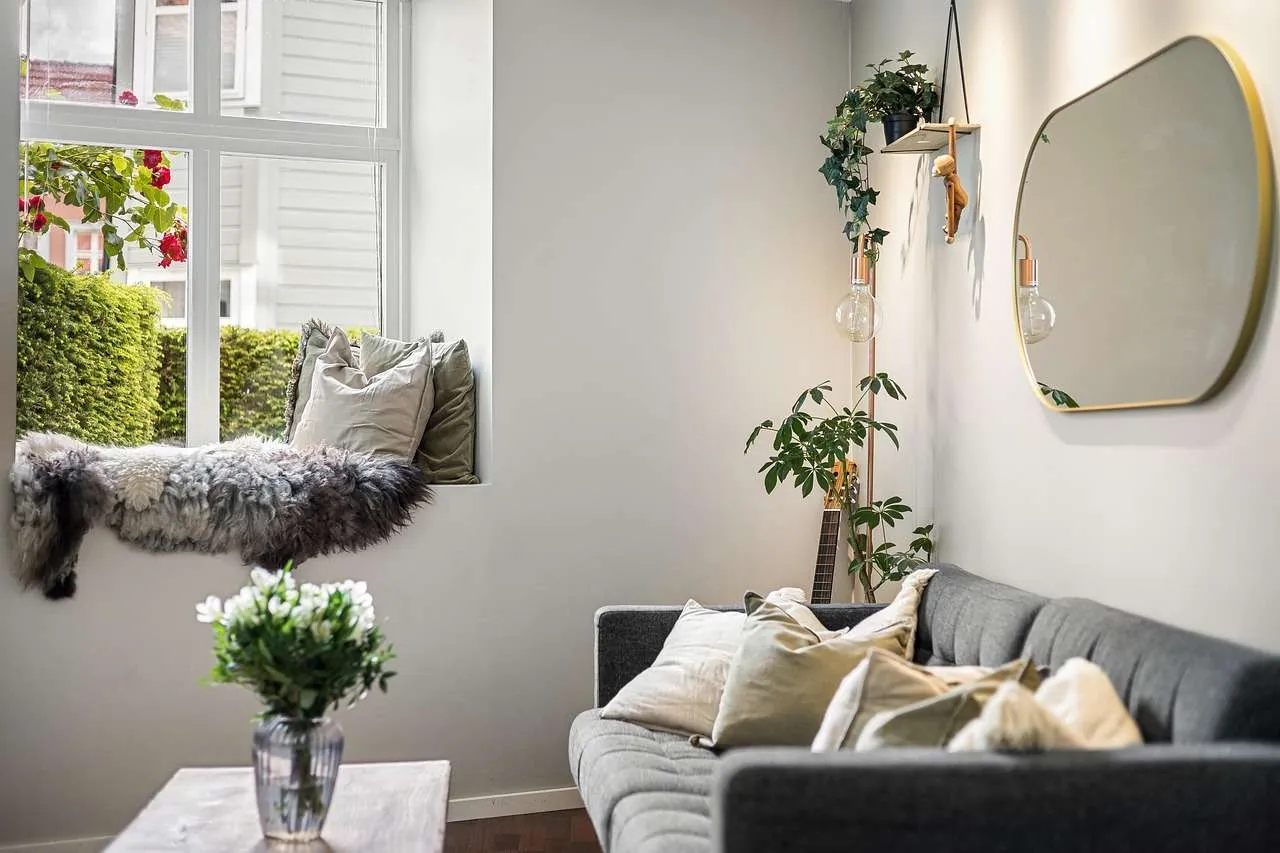
Home window tinting is a residential upgrade that applies a thin film to glass to reduce heat, glare, and UV exposure while enhancing privacy and safety. Modern films blend in with any aesthetic and can be tailored to climate, sun exposure, and budget.
What is Home Window Tinting?
Window tinting uses a durable polymer film bonded to the glass. The film can incorporate dyes, metals, or ceramic particles to attenuate infrared heat and block ultraviolet rays. It can be installed on new windows or retrofitted on existing panes by a trained installer.
Benefits of Home Window Tinting
- Energy efficiency and comfort: Reducing heat gain lowers cooling loads in summer and helps maintain comfortable indoor temperatures all year.
- UV protection: Most window tints block 99% or more of harmful UV rays, protecting furnishings and skin.
- Glare reduction and improved visual comfort: Less glare means easier viewing of screens and more pleasant rooms.
- Privacy and security: Tint from the inside or outside reduces visibility from the outside while maintaining indoor light.
- Safety and longevity: Films hold shattered glass pieces in place after impact, reducing injury risks.
Energy Efficiency and Comfort
In hot climates, high performance films can cut heat by 30-60% depending on film type, window orientation, and glazing. In cooler climates, some films reduce heat loss during sunny winter days when there is solar gain.
Types of Window Films
Dyed Films
Dyed films are the most economical option. They absorb heat and block visible light to deliver moderate heat reduction and privacy, but they may fade or bubble over time and offer less UV protection than other options.
Metalized Films
Metalized or metallized films reflect a portion of solar energy, providing strong heat rejection and glare control. They can interfere with radio signals and smart devices, and some homeowners prefer the look of natural glass rather than a reflective appearance.
Ceramic Films
Ceramic films use nonconductive ceramic particles for high heat rejection, excellent UV protection, and minimal color change. They stay clear and do not interfere with electronics, but come at a higher initial cost.
Nano-Ceramic Films
Nano-ceramic films offer advanced performance with very high heat rejection, strong UV protection, and a near-invisible appearance. They balance performance and clarity for most homes, though price is premium.
Choosing a Professional Installer
Professional installation matters for long-lasting results. Look for installers with proper licensing and insurance, clear warranty terms, and real customer testimonials. Ask to see a portfolio and test samples, verify the brand and film warranty, and confirm they follow IWFA best practices. A qualified installer will prepare the glass, apply the film without air pockets, and provide post-install cleaning and inspection.
Costs and Maintenance
Expect prices to range from roughly 5 to 15 per square foot depending on film type, window size, number of panes, and local labor. Ceramic and nano-ceramic options are toward the higher end. Maintenance is minimal: wipe with a non-abrasive, non-ammonia cleaner and avoid abrasive scrubbers. Most films come with warranties of 10-20 years, varying by product and installer.
Comparison of Major Film Types
| Film Type | Heat Rejection | UV Rejection | Glare Reduction | Pros | Cons |
|---|---|---|---|---|---|
| Dyed | Moderate | High | Moderate | Inexpensive; decent privacy | Fades or peels over time |
| Metalized | High | High | High | Very strong heat control; durable | Reflective appearance; can affect signals |
| Ceramic | Very High | Very High | Low | Clear view; non-conductive; durable | Higher cost |
| Nano-Ceramic | Very High | Very High | Low | Excellent performance; maintains clarity | Premium price |
When evaluating options, pair the film choice with installation quality and warranty terms to maximize long-term value.
Conclusion, with the right film and a skilled installer, home window tinting delivers energy savings, UV protection, glare reduction, privacy, and added safety. Align your choice with climate, budget, and aesthetic goals, verify credentials and warranties, and follow aftercare instructions to enjoy lasting comfort and value.